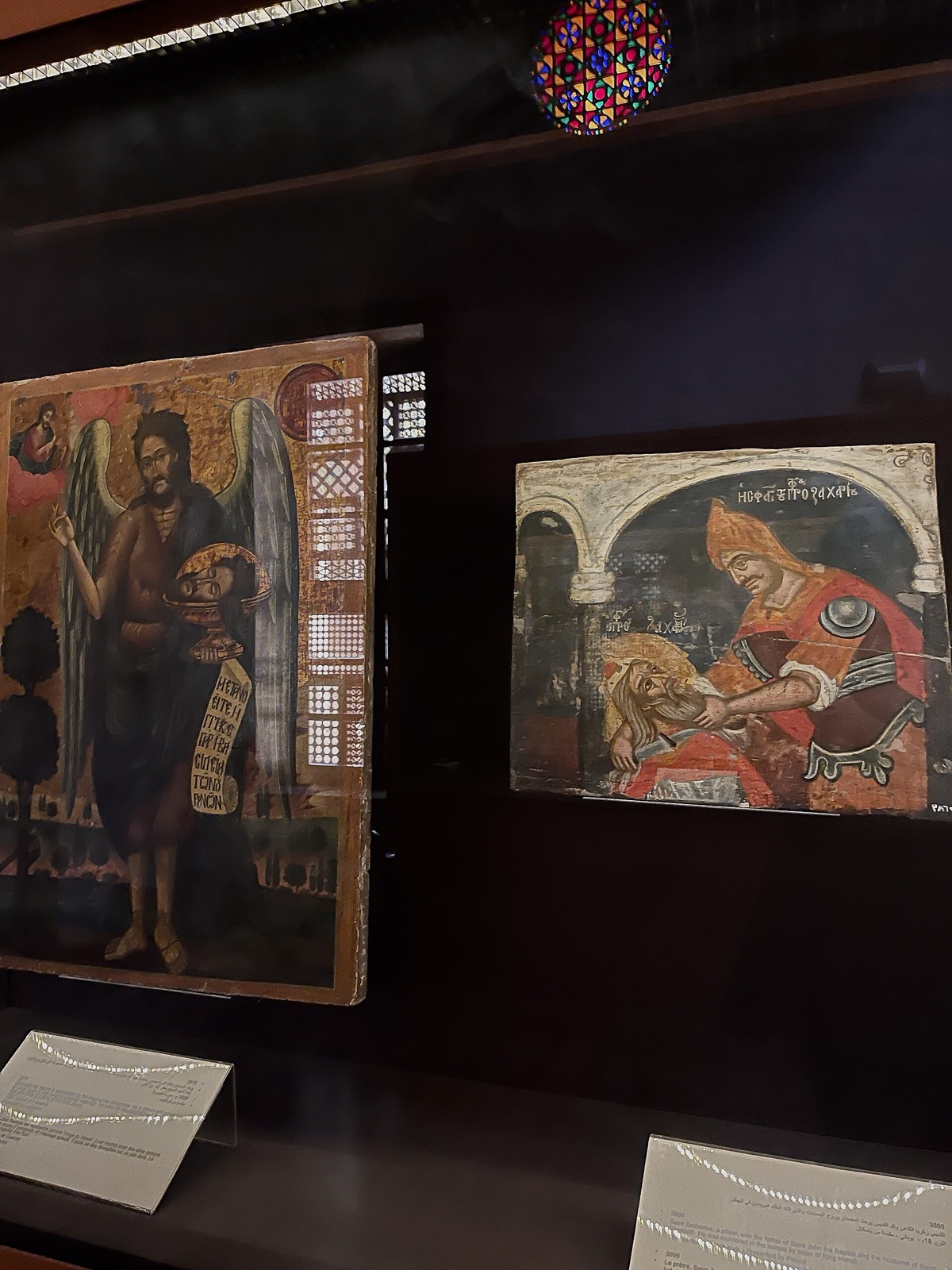
A material trail crosses dynasties and gallery boundaries. Following stone, wood, metal, textile, ceramic, glass or writing support reveals resources, technical decisions, repair and the modern care that keeps objects on view.
Choose one material family
Do not attempt every medium in one visit. Select a family broad enough to recur but narrow enough for comparison. “Stone” may be too broad until divided by grain, hardness, color or use; “manuscript” combines support, ink, binding and page design. Define the physical feature you will follow.
Separate making processes
Carving removes material. Casting, weaving, joining, coiling and building produce form through different sequences. Look for drill marks, seams, rivets, pegs, weave changes, wheel lines and broken edges. A polished front can conceal production, while an unfinished back or fracture may expose it.
Ask how resources arrived
Quarrying, ore extraction, timber supply, fuel, fiber and pigments connect an object with landscapes and exchange. Do not assign a precise source unless the label supports it. Instead, ask which transport, storage and specialist knowledge the material required, and whether reuse or recycling was practical.
Read surface as time
The current color may not be original. Pigment disappears, metal corrodes, textile fades and burial conditions stain. Cleaning and conservation can also alter what becomes legible. Distinguish the surviving base material from lost or restored surface when the label permits, and avoid imagining bare stone as the default ancient appearance.
Compare prestigious and ordinary work
Rare materials attract attention, but common clay or fiber can embody exceptional control. Value may come from scarcity, labor, ritual role, durability, ownership or repeated usefulness. Compare a regular ceramic wall or woven edge with a brilliant metal surface. Technical complexity and material expense are related only sometimes.
Treat repair as evidence of value
Ancient patches, drilled joins and replacement elements show that an object remained useful or meaningful after damage. Modern conservation has different aims and must be separated. Both remind us that museum survival depends on choices and care rather than simple durability.
Let the case explain conservation
Low light, sealed cases, flat mounts and page rotation are evidence that materials respond differently to exposure. A textile cannot remain brightly lit; a manuscript cannot show every page. The display is a negotiated balance between access and preservation, not an invisible neutral container.
Track composite objects
Many works combine a primary body with pigment, plaster, inlay, fittings, textile or binding. A label may list several materials in an order that makes one seem dominant. Map where each occurs and what would fail if one were removed. Composite construction often requires coordination between makers and creates conservation problems that a single-material category can hide.
Use fragments to understand technique
A break exposes wall thickness, layers, joins and interior structure that a complete object conceals. Resist treating fragments only as damaged versions of masterpieces. Compare a shard with a complete vessel or an architectural fragment with a polished statue. The incomplete object may provide the clearest map of how making proceeded.
Sources reviewed 28 July 2026: Coptic Museum ↗ · Museum of Islamic Art ↗. Displays and visitor conditions may change.