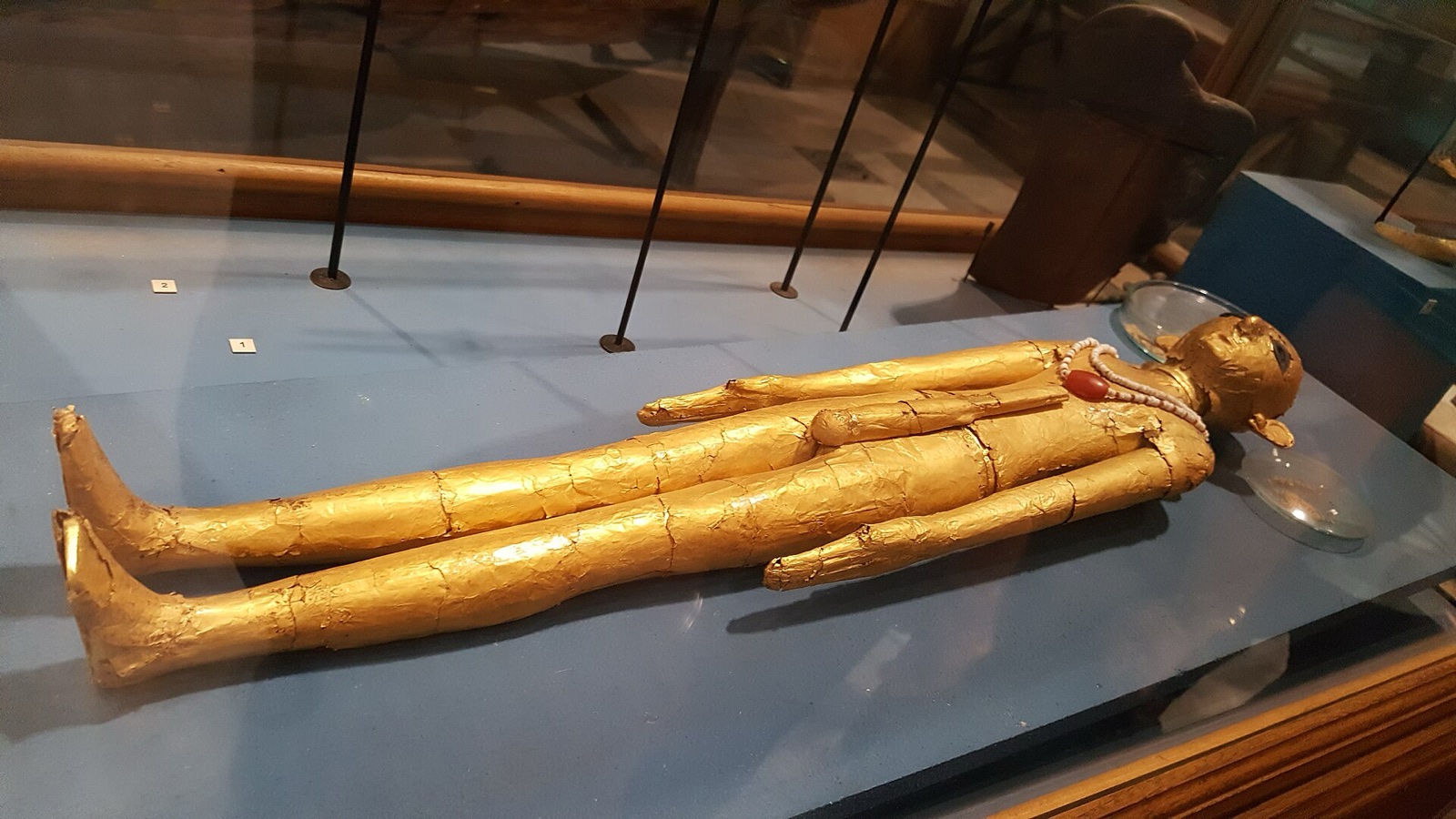
A museum room begins before the first label. Its doorway, title, central object, light and route of movement tell you how the curators expect the collection to be encountered. Reading those decisions makes a large museum less overwhelming.
Pause at the threshold
Before moving toward the most visible object, read the room title and scan the complete space. Is the organizing principle a period, ruler, place, material, function or archaeological group? Notice the first and farthest objects visible from the entrance. Their scale and alignment often create a route even when no arrow is present. A chronological room may lead forward; a material room may invite comparison across several cases.
Choose an anchor object
The anchor is not necessarily the most famous work. Choose one object that makes the room's theme concrete. Record its date, material, findspot and stated function, then ask which of those facts the display emphasizes. A monumental statue may establish political scale; a humble vessel may explain a repeated practice. The anchor gives other objects a relationship rather than turning them into another list.
Read one deliberate neighbor
Move to an object placed close to the anchor and ask why the museum paired them. Do they share date, site, material or role? Does the second work confirm the first or expose a difference? Display proximity is a curatorial claim, not proof that the objects were together in antiquity. The label may identify an archaeological group; if it does not, keep ancient context and modern arrangement separate.
Notice scale and sightline
Objects at eye level, above a doorway or low inside a case address the body differently. A museum mount may recreate an approximate viewing height or make a previously inaccessible detail easier to inspect. Stand back to understand overall arrangement, then approach for tool marks and surface. Ask what disappears when a fragment is isolated from architecture and what becomes visible because it is now close.
Use labels in two passes
Read the short identification after making a physical observation. Then return for the interpretive label once you have a question. This sequence prevents text from replacing looking. Pay attention to cautious words such as “probably,” “associated with” and “attributed to.” They preserve uncertainty and show where evidence ends.
Watch the room change at its exit
The last case often prepares the transition to another period or theme. Notice which object, date or idea makes that bridge. A sharp change may reveal the limits of the gallery's classification; a repeated material may carry continuity across a political boundary. Write one sentence about what changed before entering the next room.
Map what is absent
No room can show a complete society. Ask whose labor, domestic life, region or material remains peripheral. Absence may reflect preservation, collecting history, conservation or the room's narrow purpose. The question should refine your understanding, not become an unsupported accusation. Another gallery or specialist museum may supply the missing relationship.
Sketch the room from memory
At the exit, draw a rough rectangle and mark the threshold, anchor and two neighboring objects. Accuracy is less important than what you remember. If only one monumental work remains, ask whether scale controlled the room too completely. If several cases form a cluster, identify the relationship that held them together. The sketch turns circulation into evidence and gives later notes a structure.
Sources reviewed 28 July 2026: Egyptian Museum profile ↗ · NMEC ↗. Displays and visitor conditions may change.