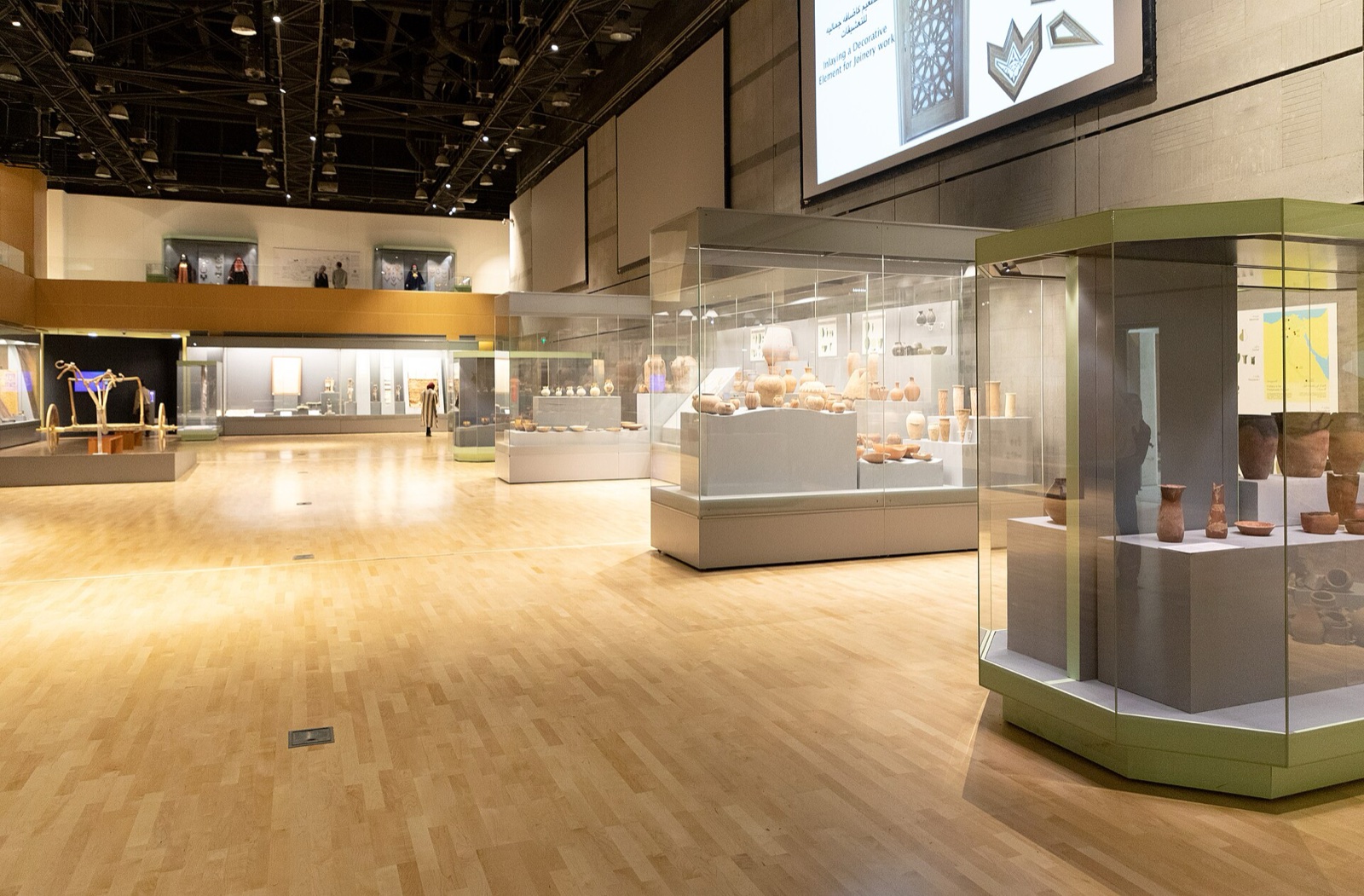
The Grand Egyptian Museum, Egyptian Museum in Tahrir and National Museum of Egyptian Civilization overlap, but each gives the visitor a different map. Choose the institution whose organizing logic matches your question and available attention.
GEM: breadth, monumentality and a long sequence
GEM supports an extended encounter with ancient Egyptian chronology and monumental works. Its strength is scale; its risk is treating scale as an instruction to complete everything. Choose one anchor theme and use the broad sequence as context. If the Giza plateau shares the day, decide which experience owns the time and physical energy.
Tahrir: density and museum history
The historic building encourages close comparison across densely placed objects. Choose two periods, sites or statue types rather than relying on an inherited masterpiece list. The arrangement is also evidence for the history of collecting, archaeology and display. It should not be understood merely as an older container for objects located elsewhere.
NMEC: a civilization-wide framework
NMEC organizes a cross-period argument that can connect technology, belief, work and daily life across ancient, Coptic, Islamic and modern histories. Begin with the main chronology so specialist spaces have a framework. This is the strongest bearing when the question concerns continuity and change rather than a deep survey of one archaeological period.
Compare what each building makes visible
Contemporary monumental circulation, historic density and broad chronological synthesis place different demands on the visitor. Notice label length, room thresholds, sightlines and the amount of independent route-making expected. These design differences are part of the museums' intellectual character, not merely convenience.
Respect Cairo's museum districts
Giza, central Cairo and Fustat are not one walkable museum quarter. Security, traffic, entrances and pickup points alter the day. One anchor museum, one actual break and one removable ending create more usable attention than a fixed three-museum checklist. Map door to door rather than neighborhood to neighborhood.
Carry one question between institutions
If you visit more than one, compare how each handles the same issue: kingship, chronological transition, everyday objects or material. The answer will include collection content and curatorial structure. One museum may place authority in monumental sculpture; another may connect it with technology or social systems.
Expect collections to move
Loans, conservation and gallery development change what is displayed. Build a route around a durable question rather than a single object remembered from an old guidebook. Official notices can confirm some closures, but a museum visit always encounters a current arrangement rather than a permanent inventory.
Choose for a first visit or a return visit
A first encounter may benefit from a visible chronological spine and fewer independent choices. A returning visitor can use dense comparison or a narrower cross-period question. Prestige does not determine suitability. Match the institution to the visitor's existing frame, mobility, sensory needs and willingness to navigate a large building.
Use the second museum to challenge the first
If the trip includes two institutions, do not repeat the same highlights route. Carry one unresolved question and see how the second museum reorganizes it. A royal sequence at GEM may become a display-history question at Tahrir or a cross-period institution question at NMEC. Difference is more useful than duplication.
Sources reviewed 28 July 2026: GEM ↗ · Egyptian Museum ↗ · NMEC ↗. Displays and visitor conditions may change.