01 · SequenceTime
Why does this object come next?
Read thresholds, sightlines and changes in chronology.
Independent Egypt museum field guide
Learn how galleries organize chronology, place, material and power—then choose a route that makes the museum readable.
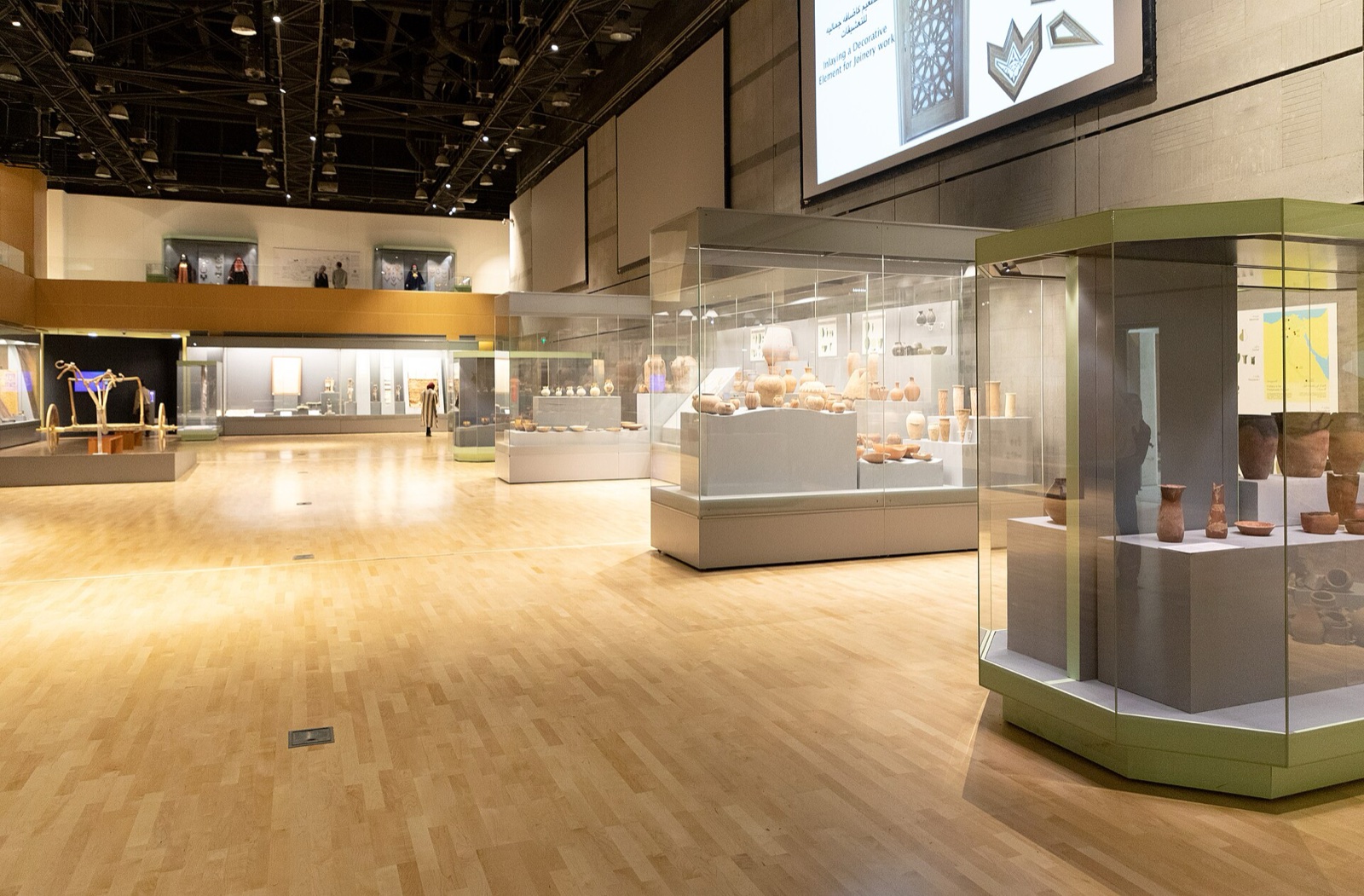
Three bearings
A gallery is not a neutral warehouse. Its sequence, labels and neighboring objects build an argument. Identifying that argument gives every later detail a place.
Read thresholds, sightlines and changes in chronology.
Recover people and systems behind isolated masterpieces.
Follow tools, resources, repair and conservation.
A four-stop route
Use the same simple sequence in a major national museum or a focused regional collection.
Read the room title and first sightline.
Choose one object that clarifies the theme.
Compare an object the museum placed nearby.
Notice what idea leads into the next room.
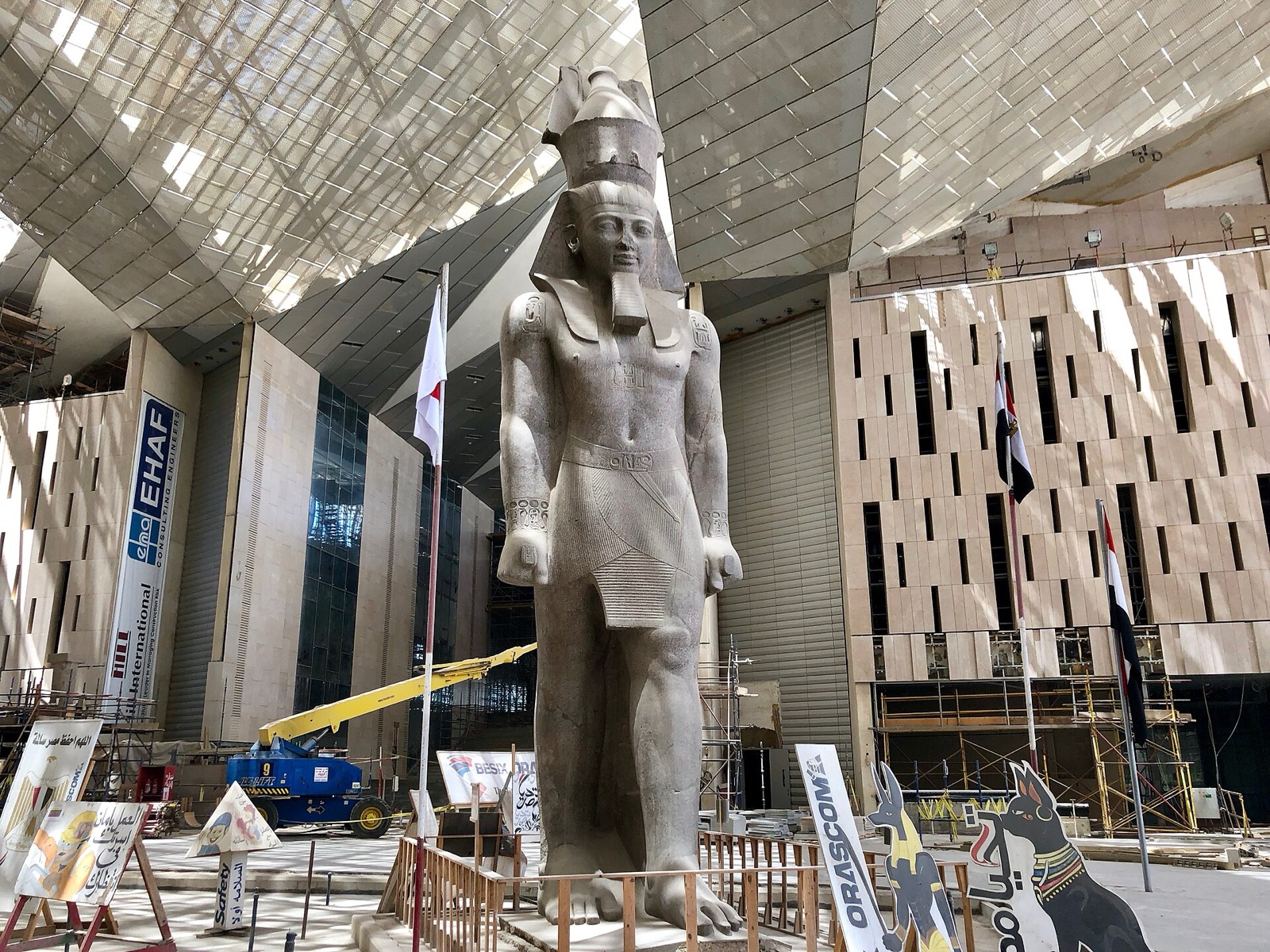
Cairo bearings
GEM, Tahrir and NMEC overlap in history but organize it through different scale, architecture and chronology. The right choice depends on the question you want the building to help answer.